Since 1999, we have focused
on voluntary activities for the
conservation of the Fowey Estuary
The Fowey Estuary

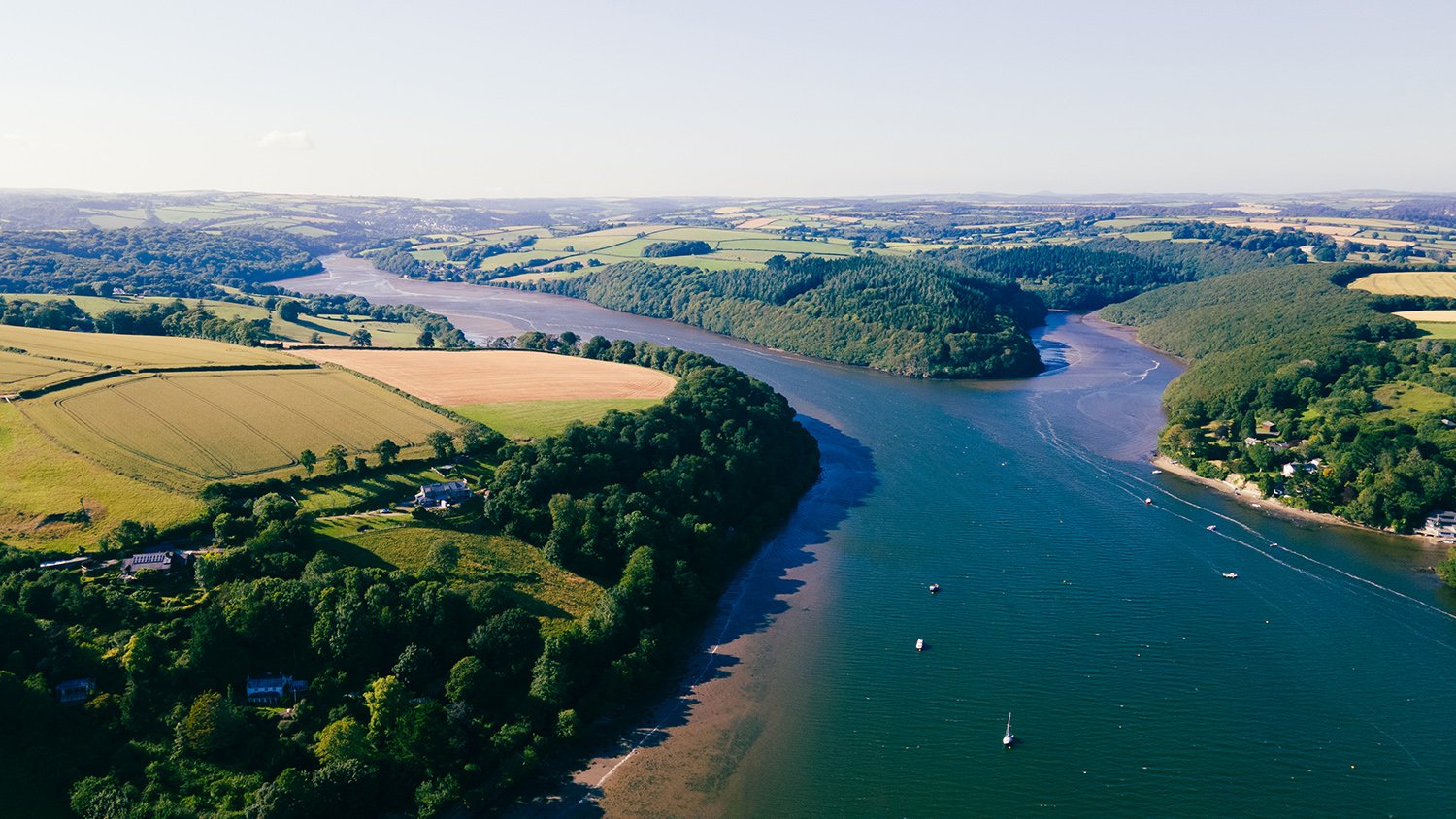
The Fowey Estuary is located within an Area of Outstanding Natural Beauty (AONB) and includes a wide variety of habitats. In the lower estuary there are rocky headlands, caves and sandy beaches.
The Estuary itself is 11kms in length and covers an area of nearly 1000 acres; it contains a diverse landscape and built and cultural heritage.
There are areas of woodland bordering the estuary, some of which contain ancient trees. Further up the estuary at Golant there are large sand and mud banks which are exposed at low tide. These provide feeding areas for wading birds. At the top of the estuary at Lostwithiel there is an area of saltmarsh, a rare habitat in the Southwest.
Eelgrass beds are found in the lower estuary, this is the only true marine flowering plant. This diverse habitat is an important feeding and nursery area for fish.
The majority of the fundus (bed of the estuary) and the foreshore is owned by the Fowey Harbour Commissioners and most of the land fringing the estuary is owned by large landowners such as The National Trust, Network Rail and the Forestry Commission.
Communities of plants and animals within estuaries are adapted to conditions of low wave energy, strong tides, freshwater inflows, and high amounts of suspended silt within the water column.

Lostwithiel
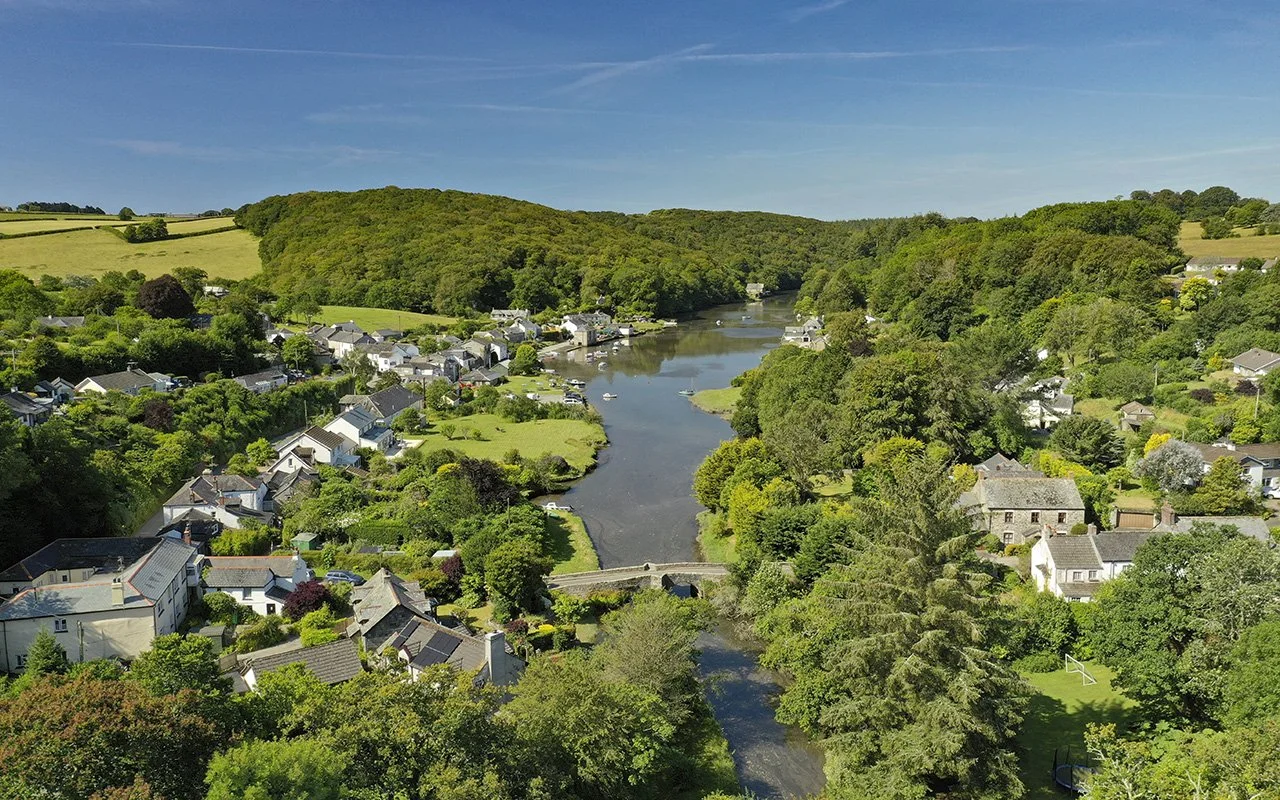
Lerryn
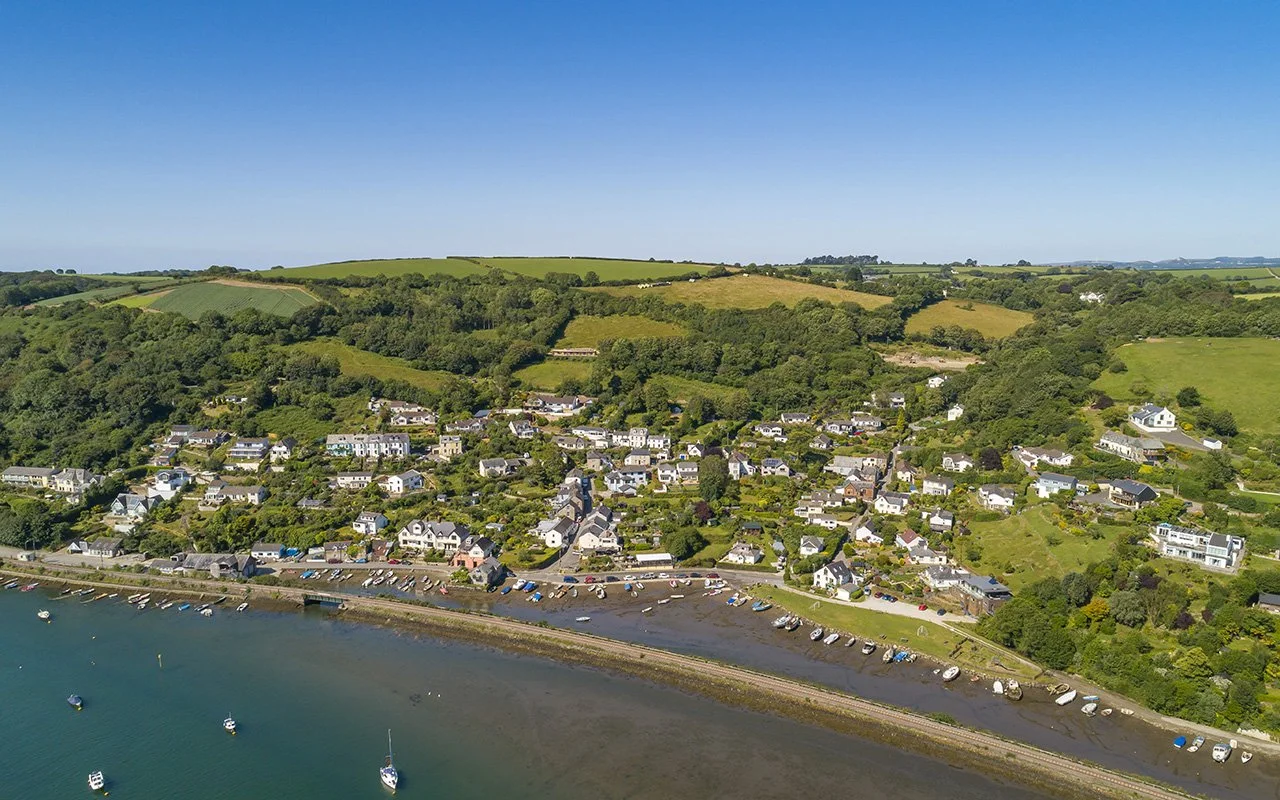
Golant

Bodinnick
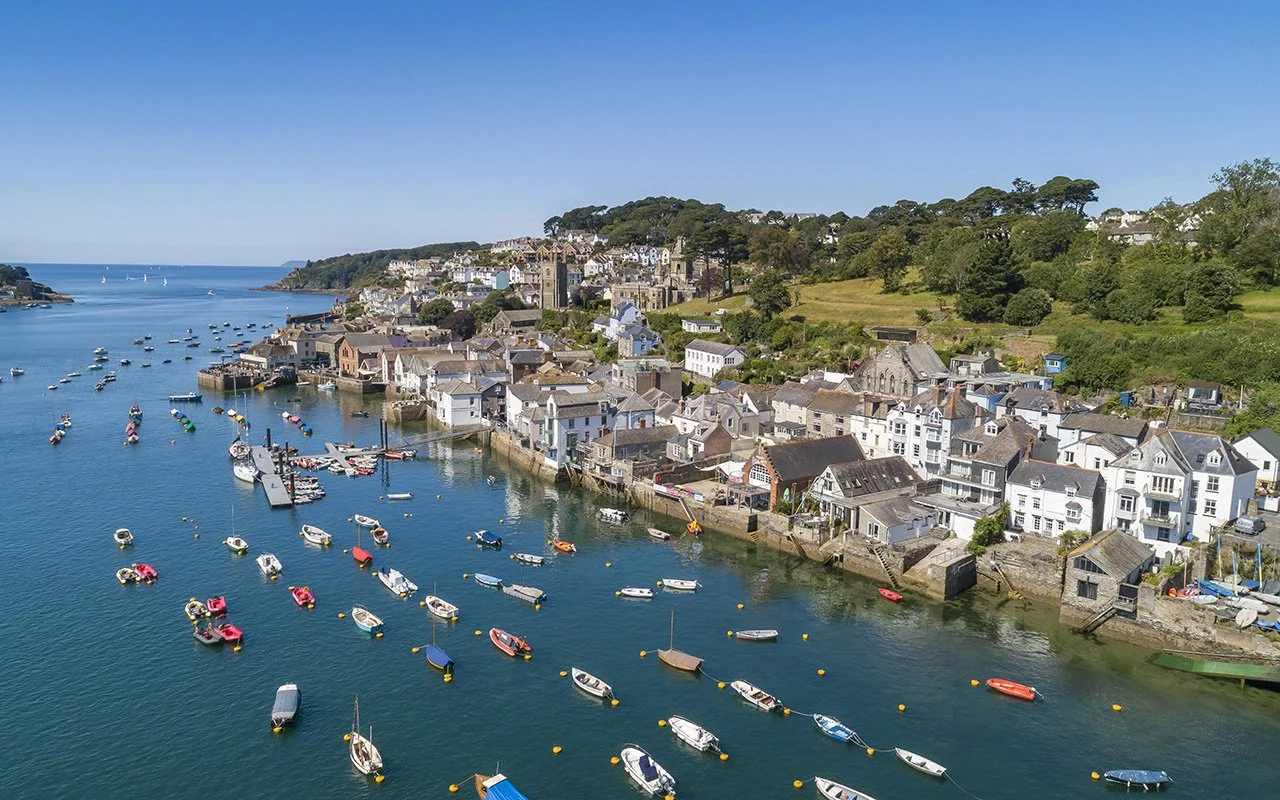
Fowey
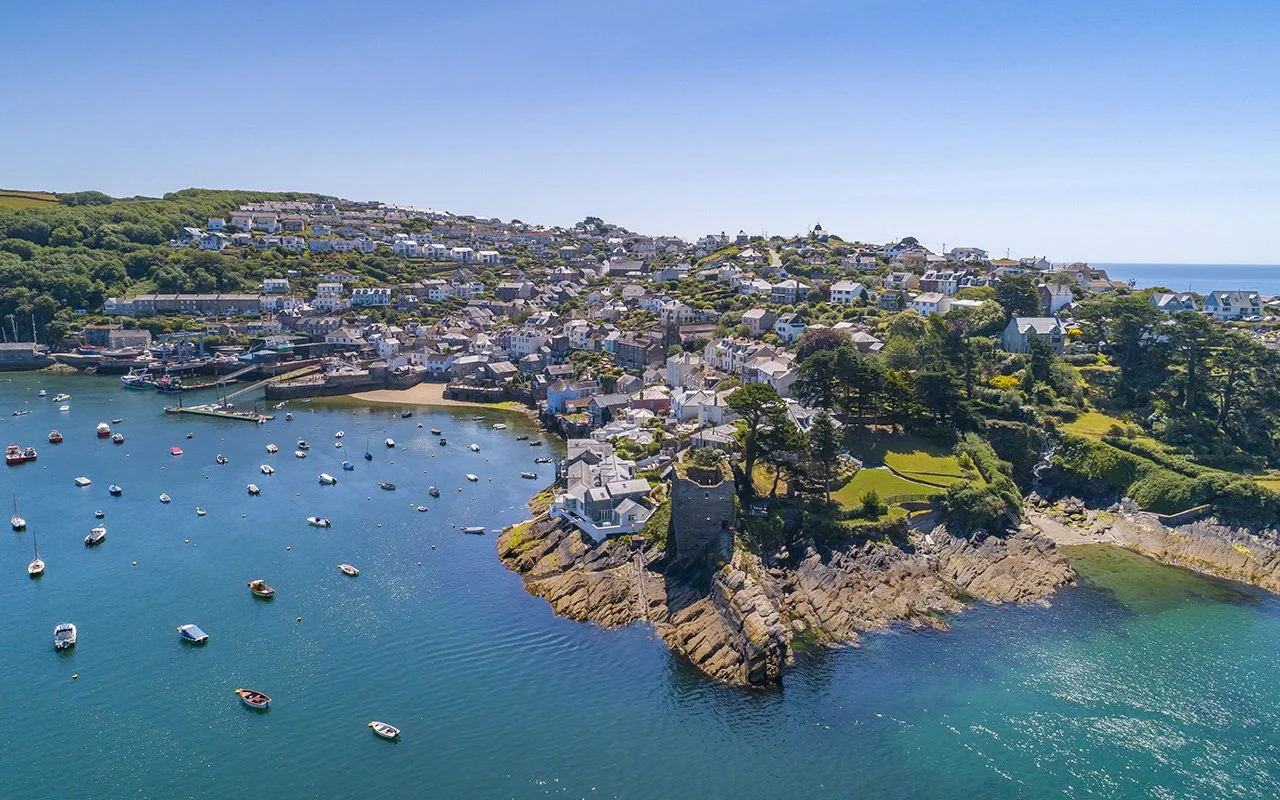
Polruan

The Upper Fowey and Pont Pill Marine Conservation Zone (MCZ) protects an area of approximately 2 square kilometers of the upper reaches of the estuary. These areas are representative of the estuarine habitats found across the south-west region. The habitats and associated species within these sites make an important contribution to the marine protected areas network.
The Fowey estuary contains intertidal mud and sediments, as well as saltmarshes and unusual estuarine rocky habitats which create an environment capable of supporting a diverse range of species.
-
Saltmarshes are coastal wetlands that are flooded and drained by the tides. They’re boggy and marshy as their soils are composed of deep mud and peat. They’re found in most parts of the world where there’s low-lying land and a temperate climate.
Saltmarshes form in sheltered places along the coast, particularly in estuaries, they’re created when mud and silt are deposited along a sheltered part of the coastline.
Saltmarshes are found just downstream of Lostwithiel. Saline reedbeds are also found in this area, both habitats are restricted to the very top of the tidal range, in areas where there are freshwater inputs which create more brackish conditions. Intertidal mud flats and saltmarshes act as important food and habitat resources for wading birds and wildfowl.
Saltmarshes are characterised by a range of specialised salt tolerant species. Small plants known as ‘pioneer’ species take root, followed by larger plants and organisms. These in turn trap more sediment and as the saltmarsh builds up, more plants become established in the wetland. Because each plant has its own level of tolerance to water and tidal flooding, a saltmarsh can support a variety of plants.
Saltmarshes provide nurseries for fish, as well as a refuge for mammals and birds. Glassworts and cordgrass plants can quickly appear on new saltmarsh and are followed by a succession of other plant species. These plants are useful as they increase the amount of sediment that is deposited on the land, provide food for fish, and slow the movement of water back into the ocean.
-
Extensive mudflats and sandbanks are found in the upper Fowey Estuary but are especially prevalent where the estuary naturally widens at Golant.
Mudflats are a very important habitat for all sorts of wildlife, especially wading birds and wildfowl. The mud is full of nutrients and also has a wonderful store of invertebrates and bivalves which birds feed on.
The top thin layer of the mud is a brown colour because it contains oxygen. The mud that is deeper down is black and smelly. Because it has no oxygen in it, it is described as ‘anoxic’ Sometimes mats of green seaweed can be seen covering the mud, particularly during the summer.
Only a few species of creatures can be found living in the mud, but they are there in very large numbers. Cockles live just below the surface. Ragworms tunnel down deeply, while Lugworms build their tunnels nearer to the surface.
-
Estuarine rocky habitats are important as they contribute to the richness of life within estuaries by providing an alternative habitat which can support different species to the sediment habitat which usually characterise estuarine environments.
Large seaweeds, wracks and kelps tend to dominate rocky areas of shoreline. Amongst these are crustaceans including barnacles and shore crabs, marine molluscs including periwinkles and top shells, and occasionally sponges and sea squirts.
Below the low water mark the communities are equally varied, with anemones, sponges, sea mats and sea squirts often found growing on rocky surfaces.
There can be considerable differences between communities living in rocky environments at the upper ends of estuaries and those towards the mouth, which more closely resemble those found in open coast rocky shores. Along with the species mentioned, the estuarine rocky habitats provide nursery grounds for commercially important fish species including sea trout and bass.